
Design as structured thinking
Bauhausian is a structured editorial platform exploring design, education, collectivity and responsibility through Bauhaus-informed thinking.
Not a blog. Not a magazine.
Bauhausian is a long-term cultural infrastructure. Every entry in the archive has a defined type, a core idea, and visible base material. Nothing is arbitrary. Everything is accountable.
Process transparency
Base material — the sources, references, and reasoning behind every entry — is always visible. The thinking is never hidden behind the conclusion.
Archive structure
Foundational entries that define the platform's intellectual territory.
ContextHistorical, cultural, or disciplinary background that frames the core ideas.
BridgeEntries that connect Bauhaus thinking to contemporary practice.
CriticalAnalyses that challenge, question, or reframe existing assumptions.
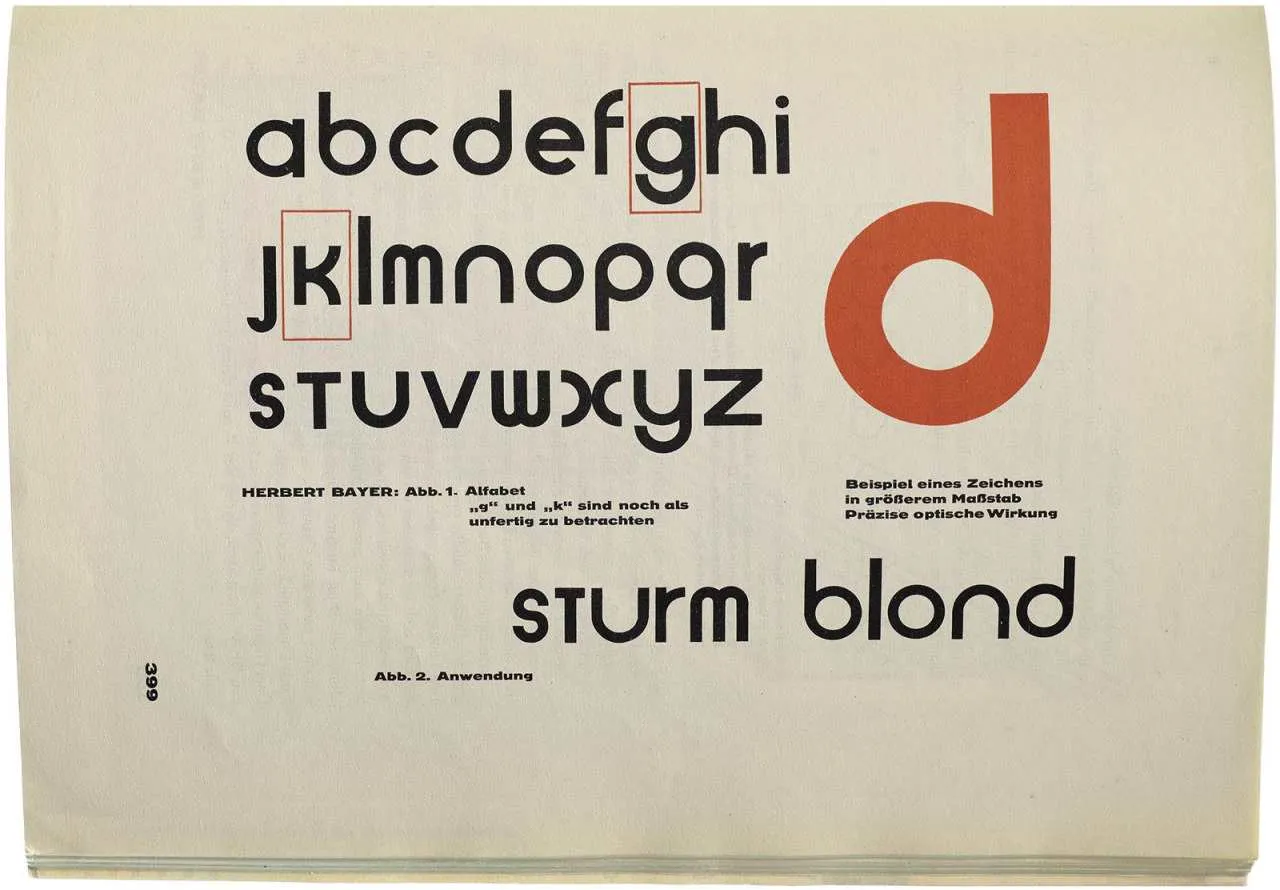
Bayer's Universal: Simplified Communication
Herbert Bayer's "Universal" typeface aimed to simplify written communication ✍️
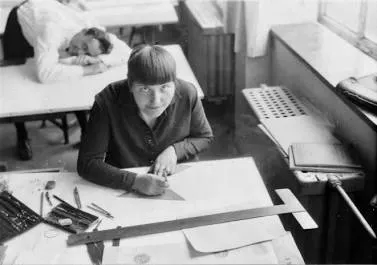
Lotte Beese: Bauhaus Pioneer
Lotte Beese was one of the few female architects associated with the Bauhaus 🏗️

Bauhaus Paradox: Gender and Design
The Bauhaus promoted an ideal of design for everyone, yet in practice many women were steered into “acceptable” workshops such as weaving. This gap between progressive ideals and social reality reveals an early struggle for recognition within modernism. Far from being mere craft, their work reshaped the boundaries of design and showed that true innovation goes beyond assigned roles.

Marianne Brandt: Metal Workshop Triumph
Marianne Brandt’s admission to the metal workshop came through her persistence, talent, and support from László Moholy-Nagy 💡

Itten, Klee, Kandinsky: Three Ways of Teaching Vision
In the early Bauhaus, three neighbours shared a corridor and nothing else. Johannes Itten began his classes with breathing exercises and strict diets; Paul Klee sketched little diagrams of dots “going for a walk”; Wassily Kandinsky talked about points and planes as if he were teaching physics rather than painting. Put them side by side and you get something like a triptych of modern art education: three ways of teaching vision, three different stories about where creativity actually lives.

The Bauhaus Myth: How a 14-Year School Became Design's Origin Story
The Bauhaus was a school in 3 German cities Weimar, Dessau, and Berlin that ran from 1919 to 1933, enrolling approximately 1,400 students in its 14-year existence. The design studio never trained an army of designers or mass-produced a single iconic object at scale. Moreover, for large swathes of its life, it was preoccupied with funding crises. It was also under political attack and embroiled in ideological infighting. Today, Bauhaus is considered the origin of modern design, and a heroic, unified persecuted movement which essentially invented the visual vocabulary of the twentieth century. The tale encompasses some facts, some fiction, and above all, is a construct of class, transatlantic migration, and Cold War politics. The starting point of any honest engagement with design history is an understanding of which parts are which.
Celebrated Quotes
Bauhausian is not about preserving forms. It is about preserving questions.
Read full Manifesto"Repeating the past is not understanding it."
"We believe design is never neutral. Every decision carries intention, impact and responsibility."